

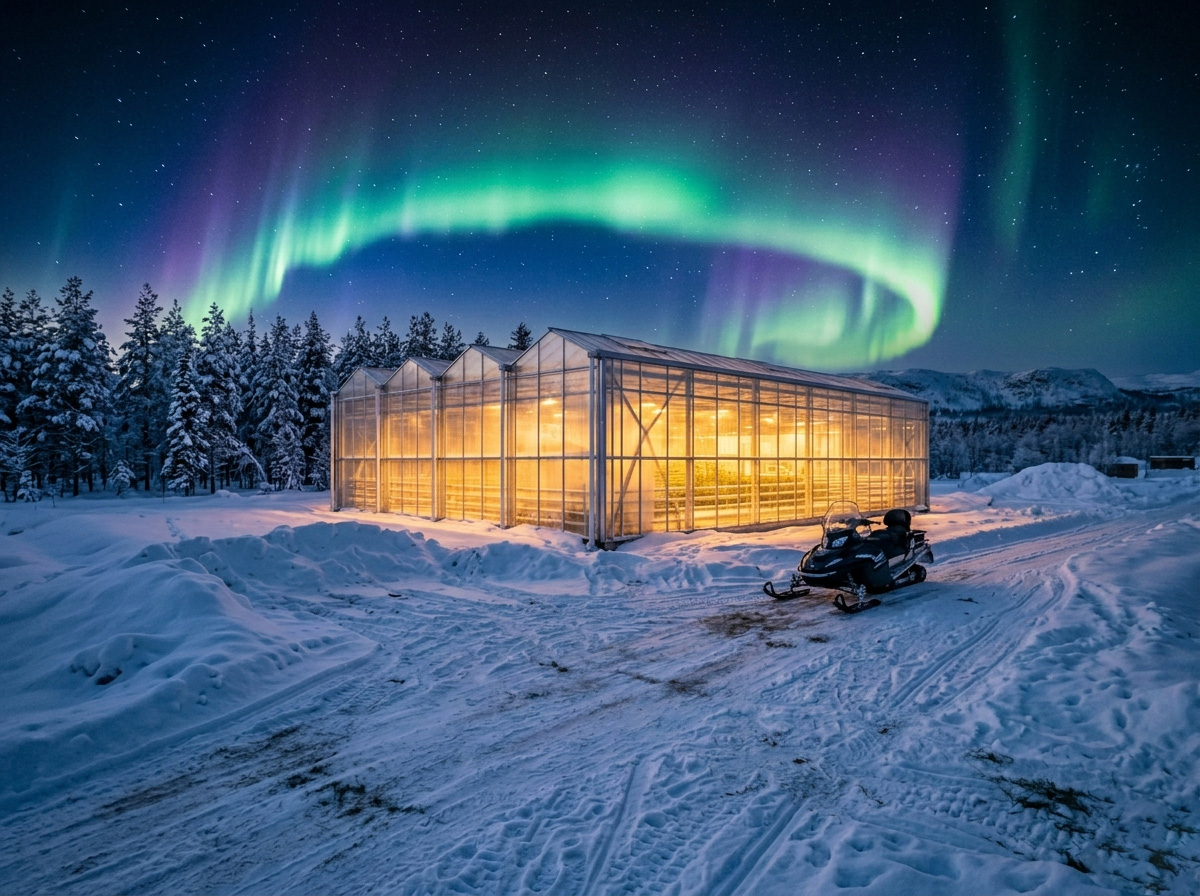
Our Mission to Set Lapland on Fire!
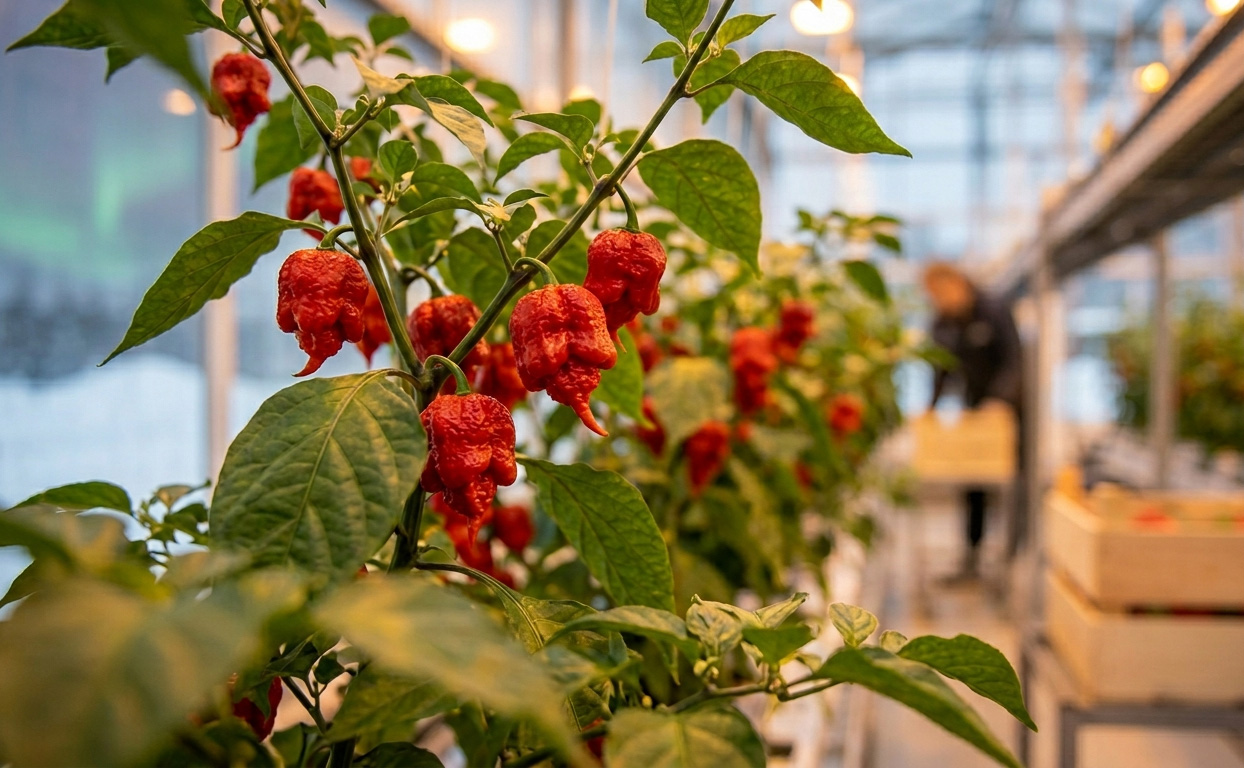
We’re planning the next bold step: growing our own chillies right here in Lapland!
Growing our own chilies means we control every variable: variety, ripeness, and even the subtle terroir that Lapland’s extreme conditions might add.
By producing locally in greenhouses, we reduce food miles, support local production, and create something truly unique — a Lapland-grown chili that no one else on Earth can replicate.
Greenhouses Make the Impossible Feel Doable.
Lapland sits above the Arctic Circle. Our outdoor growing season is brutally short, roughly June to early September, but the midnight sun delivers intense light that pushes plants to grow fast once it warms up.
Greenhouses flip the script completely.
Temperature control: Chilies love 20–30 °C days and no frost. High-tech greenhouses with insulation, heating systems, and automated vents keep things stable even when it’s –40 °C outside.
Lighting: During the polar night we use energy-efficient LEDs to deliver the 12–16 hours of light chilies crave. Finnish growers already use full-LED setups successfully for tomatoes and sweet peppers; the same tech works for hot varieties.
Hydroponics and substrates: Forget poor Arctic soil and permafrost. Rockwool, coco coir, or peat-free mixes plus precise nutrient delivery let roots thrive without fighting frozen ground.
Proven precedents: Hobbyists and small growers in Arctic Finland (and nearby Oulu) are already harvesting chilies in greenhouses. Across the Nordics and true Arctic regions like Iceland and Alaska, greenhouses produce peppers, cucumbers, and even strawberries using geothermal, waste wood, or renewable electricity. One passionate grower in Arctic Finland openly documents his chili journey — proving it’s not just theory.
The payoff? Fresher, more flavorful chilies picked at peak ripeness, blended minutes later with hand-foraged Lapland berries. Shorter supply chains. Lower carbon footprint. And sauces that taste unmistakably ours.
We’re also exploring renewable angles that fit Lapland perfectly: Finland’s clean energy mix (hydro, wind, biomass), waste-wood heating systems already used by local lettuce growers, and even agrivoltaics (solar panels over greenhouses) that generate power while providing light-diffusing shade.
The Complications: Arctic Reality Bites (But We’re Ready)
Let’s be honest — this isn’t a casual windowsill project. Growing chilies north of the Arctic Circle in commercial quantities comes with serious hurdles.
Extreme Cold and Heating Costs Winters are long and brutal. Maintaining greenhouse temps requires serious energy. Power blackouts or price spikes (which have hit Finnish growers hard before) can cost thousands per day. Older greenhouses leak heat; even efficient ones need robust insulation and backup systems.
Polar Night and Lighting Demands Weeks without sunlight mean full reliance on artificial light. LEDs have improved dramatically, but electricity for lighting still forms a big chunk of operating costs. Timing lights around cheap renewable tariffs helps, but it’s not free.
Energy Economics and Scalability Studies on Nordic greenhouses (including research from the University of Oulu area) show that heating + lighting can make up the majority of expenses. High upfront investment in modern structures, automation, and renewables is required. Small-scale hobby grows work beautifully; scaling to supply a hot-sauce brand demands careful business planning.
Variety Selection and Growing Cycles Not every chili thrives in short seasons or artificial light. We’re focusing on faster-maturing, resilient varieties (think certain jalapeños, cayennes, and hardy habanero crosses) that perform well under controlled conditions. Trial and error is part of the journey.
Permafrost, Pests, and Regulations Building on permafrost requires special foundations. Even in sealed greenhouses, biosecurity matters. Finnish regulations on greenhouse production, water use, and energy are strict — but they also open doors to sustainability grants and local-food incentives.
None of these are deal-breakers. They’re engineering problems — and Lapland has a long history of solving them (just look at how we heat homes and run tourism through polar nights). By starting smart — efficient LEDs, renewable integration, data-driven climate control — we can keep costs manageable and quality sky-high.
The Road Ahead: Heat Meets the North
This isn’t a pipe dream; it’s a deliberate next chapter for Xastike. We’re already testing small greenhouse pilots, talking to local growers, and researching the best energy-smart setups for Rovaniemi conditions. Every chili we grow here will carry the story of Lapland — the same wild, resilient spirit found in our forests full of lingonberries and cloudberries.
When those first homegrown pods hit our sauce kettles, the result won’t just be hot. It’ll be Finnish hot — bright, layered, unforgettable.
We can’t wait to share the first bottles with you.

Kaarina
Tilli xastike must be something special yammy.